Agape-Logos
Voyages de Paul (Étude) ({literal})
EN — Transliteration: Koine & Pax Romana
A detailed historical and theological analysis showing how the Spirit's choices (the timing of the Pax Romana, the road network, and the conceptual richness of Common Greek) constitute a treasure preserved for us.
A careful analysis of the missionary deployment of the apostle Paul (from 46 to 62 AD) reveals that the apostle's journeys are not a matter of hazardous wandering. They manifest a meticulous and geopolitically targeted implementation strategy, orchestrated by the Spirit of God to preserve the message of Grace.
📅 Timeline & Detailed Itineraries
| Mission & Dates | Key Itineraries | Major Events & Strategic Locks |
|---|---|---|
| 1st Journey 46-48 AD. BC |
Antioch → Cyprus (Salamis, Paphos) → Perge → Antioch of Pisidia → Icon → Lystra → Derbe → Antioch. | Confrontation with the magician Élymas. Conversion of the proconsul Sergius Paulus in Paphos (opening access to the Roman aristocracy of Galatia). Stoning of Paul at Lystra. |
| 2nd Voyage 49-52 AD. BC |
Antioch → Tarsus → Lystra → Troas → Philippe → Thessaloniki → Berea → Athens → Corinth → Ephesus → Jerusalem. | Separation from Barnabé. Macedonian appeal to Troas (the Holy Spirit redirects Paul to Europe). Prison of Philip (legal use of Roman citizenship). Speech from the Areopagus in Athens. 18 months of implantation in Corinth. |
| 3rd Voyage 53-57 AD. BC |
Antioch → Galatia → Ephesus → Macedonia → Corinth → Assos → Miletus → Tire → Caesarea → Jerusalem. | 3-year stay in Ephesus (daily teaching at the School of Tyrannus during nap times). Riot of goldsmiths at the Temple of Artemis. Resurrection of Eutychus at Troas. Arrest of Paul at the Temple in Jerusalem. |
| Journey to Rome 59-62 AD. BC |
Caesarea → Sidon → Myre → Crete → Storm and shipwreck in Malta → Syracuse → Pouzolles → Rome. | Paul, a prisoner, appeals to Caesar (Nero) to legally reach the center of Roman power. Dramatic shipwreck in the Adriatic Sea. Wintering in Malta. Arrival in Rome in free captivity under Praetorian guard. |
🏛️ Geopolitical Analysis: The Strategic Choices of the Mind
1. The Conversion of Sergius Paulus (Cyprus): This is the first converted lock. The Spirit directs Paul to Cyprus where he confronts the magician Elymas before the Roman proconsul. By converting this high official of senatorial rank, Paul obtained letters of recommendation and gained access to the family networks of the Gens Scribonia and the Gens Sergia in Southern Galatia (Pisidia), thus opening armored doors in the Roman administration.
2. Philip and Roman Colonial Law: Philip is a Roman military colony benefiting from Jus Italicum. Paul uses his Roman citizenship strategically. After being unlawfully beaten, he demands a public apology from the praetors. This legal coup creates a local legal precedent that protects the young Christian assembly of Philippe against future arbitrary persecution.
3. Corinth, the Commercial Pivot: Corinth controls the Isthmus of Corinth with its two ports, Cenchreae and Lechea. It is the economic hub of Greece. While living there for 18 months as a tent maker, Paul worked in the docks and markets, reaching merchants and sailors who spread the Gospel throughout Europe and North Africa with each ship's departure.
4. Ephesus and the School of Tyrannus: Ephesus is home to the temple of Artemis (religious power) and controls Asia Minor. Instead of street preaching, Paul rents the school of Tyrannus from 11 a.m. to 4 p.m. (during the Mediterranean siesta). He provides systematic teaching to employees. In 3 years, this nerve center spread the message throughout the Roman province (foundation of the churches of Colossae, Laodaceae, Hierapolis by its students).
🔬 The Treasure of the Koïnè: The Rampart of the word Kainos
The divine decision to record the New Testament in common Greek (Koïnè) is an exceptional semantic barrier:
Kainos (New in quality) vs. Neos (New in Time): If the Spirit had inspired the word Neos to designate the new creation (2 Cor 5:17) or the new covenant, it would mean that God is making a clean sweep of the past, that He is throwing away His original creation and fallen humans and replacing them with entirely new objects. This is the trap of religious obsolescence.
By using Kainos, the Spirit guarantees qualitative restoration. Grace does not destroy human identity; it purifies it, destroys the veneer of sin and reveals the pure gold of the image of God buried within us. It is a work of purification (Jeremiah 15:19): freeing the precious from the base.
Legal Latinization: When administrative Latin translated Greek, it fixed these dynamic concepts in the terms of Roman criminal courts. Dikaiosyne (covenant relational fidelity) became Justitia (retributive punishment), creating the legalistic theology of divine wrath requiring blood to repair a broken contract.
Perspective Conceptuelle
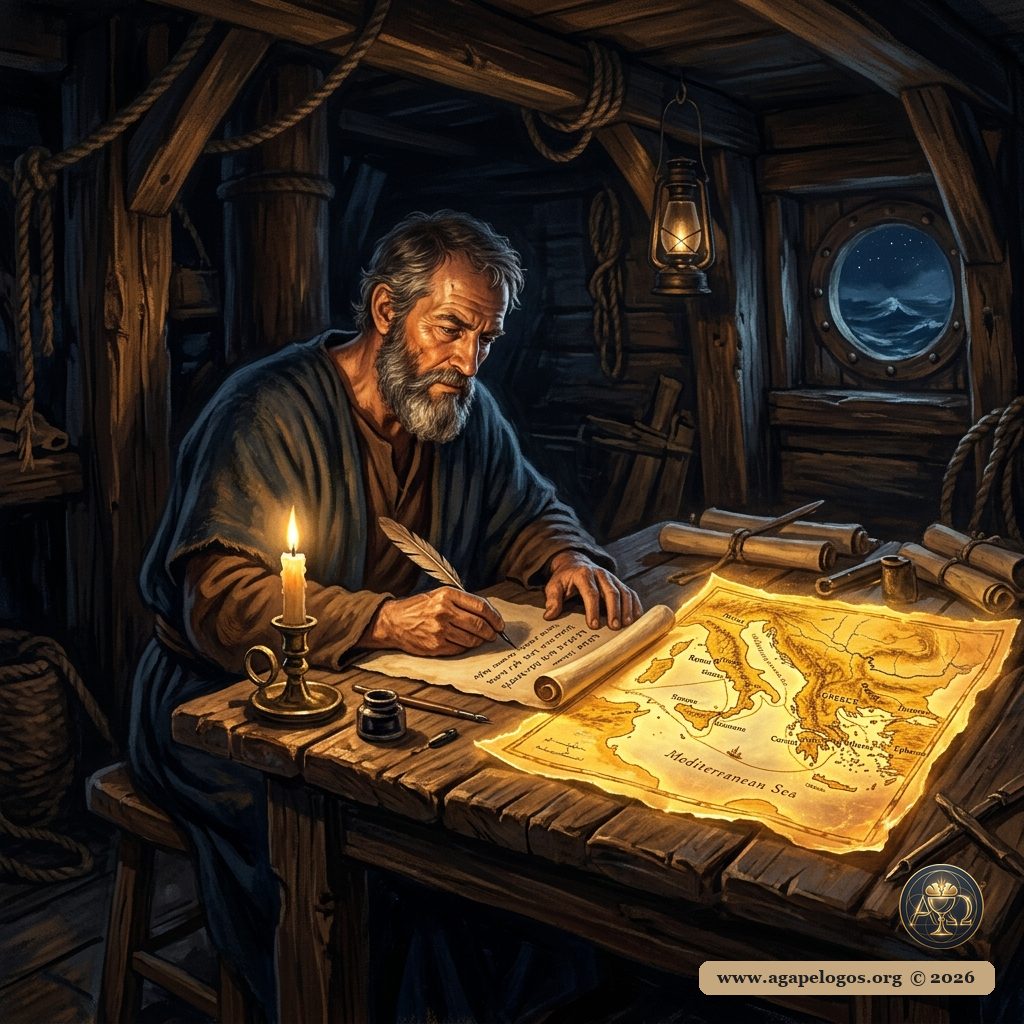
Symbolic Visualization: Paul preaching at the Areopagus in Athens, surrounded by philosophers under golden light.
Source Historique / Géographique
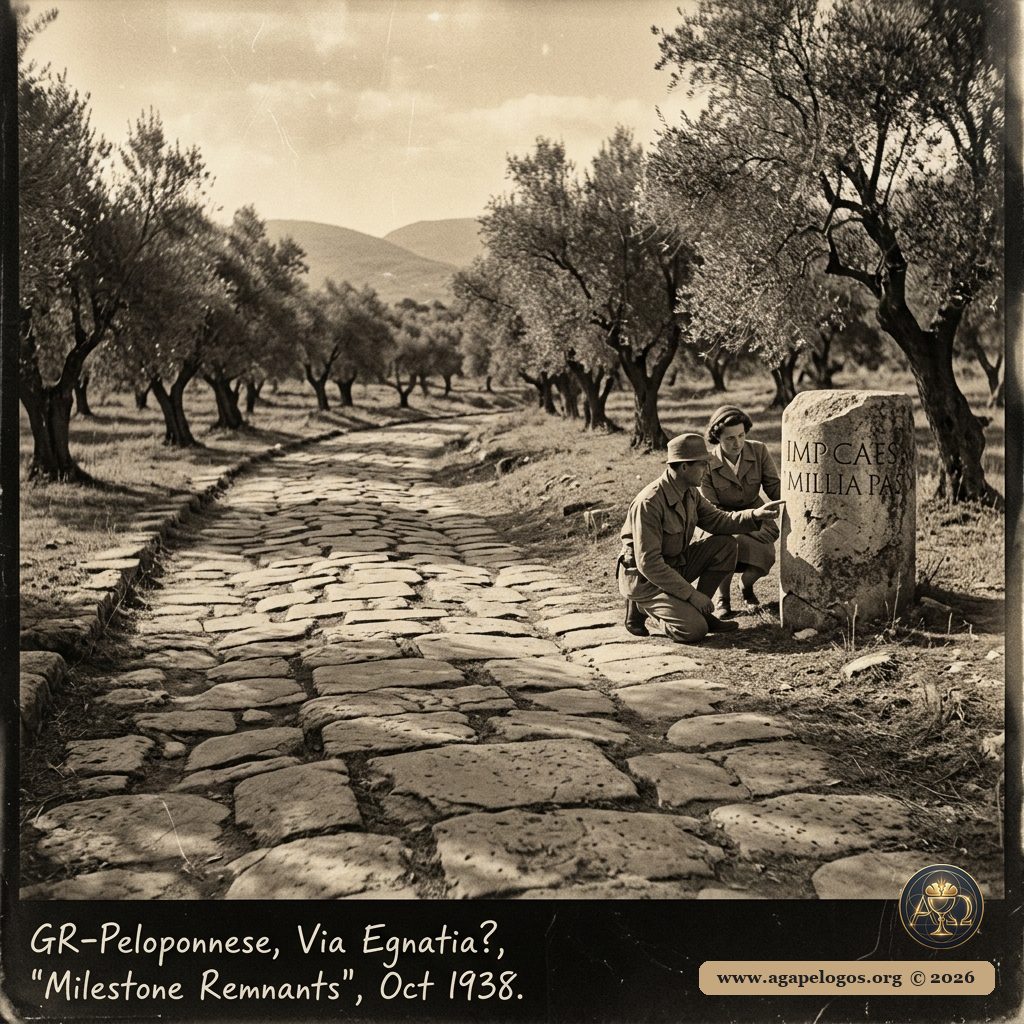
Légende historique...
🧠 Conseil des Experts
Sélectionnez un expert pour obtenir son éclairage sur ce terme :
Sélectionnez un expert ci-dessus pour lire son analyse.